Embracing Doubt
Opening our Minds to Possibility
Apparently children look at the world with wide-eyed curiosity and ask us questions that we ourselves are too unquestioning to even see, let alone ask. And in many ways I would argue that most children are far more enlightened/ intelligent/ wise/ open-minded than most adults (this is certainly not an original proposition!).
However, when I look back at my attitudes about faith as a child, I was quite the reverse of open-minded. I was a hard-line atheist, refusing to attend church services even when I was still in primary school and actually being pretty keen to denounce other people’s beliefs. Interestingly, my six year old son is similarly resolute in his beliefs, though he comes from a different standpoint, stating, “Well of course there was the Big Bang, but who do you think made it happen? Obviously it was God!”
I am comfortable with him holding his own strong beliefs, but cringe at his disparaging tone towards my agnosticism. I cringe even more to know that my tone was just as overbearing and dogmatic when I was of a similar age.
My atheism saw me all through my twenties and most of my thirties. In the latter decade I wavered from it slightly, warming up to some more spiritual ideas (I’m happy to chat about these but don’t think my own beliefs are especially relevant to share here!) but finding it a bit uncomfortable to consider moving on from such a strongly-held stance. However, I had come to feel very passionate about any individual’s rights to their own beliefs so long as they were rooted in respect for others and doing no harm. I saw friends and family members rediscover a faith that brought them great comfort, or evolve from one belief to another. I began to doubt.
Finding Agnosticism
Without even naming it at first, I discovered agnosticism and it fit me like a glove. For a good few years after that I worked on disentangling myself from my atheism…
It was so exciting to come together with two other agnostic celebrants to create Agnostic Scotland. Sitting together over many meetings to hone our explanation of our shared beliefs and values, I felt a certainty rise up in me. A certainty that doubt is a deeply respectful stance to take.
When I had the ‘opportunity’ to appear on TV to represent Agnostic Scotland (reader, I was petrified) the interviewer asked me, “So, are you just confused?”. I realised that there is a misconception that doubt is the same as confusion. But I don’t feel remotely confused in my agnosticism; I believe anything is possible in this vast universe and I love the mystery of that! I also feel released of the risk that someone misconstrues that I look down on them for their faith or for their atheism.
Standing in Doubt with Conviction
If you Google “embracing doubt”, nearly all of the pages that come up encourage you to let go of doubt and trust yourself. It’s curious, isn’t it? What about if we trusted ourselves enough to stand in doubt with conviction? To allow doubt to be foundation of our belief system?
I am not trying to convert anyone here; if you have a strong faith or belief system then that is just as valid as my agnosticism. But for the millions of us who may feel a little lost because we don’t fit one camp or the other, because we aren’t certain what exists and what doesn’t and what the meaning of life may be, there’s a community right here for you.
You may be completely agnostic, or you may have a faith but remain open to the possibility that your own beliefs might not be the only answer to life’s greatest questions. You may be resolutely atheist in your own beliefs, but have a genuine appreciation of many faiths of the world and welcome the diversity these bring to our societies. An Agnostic community is a great place for people of mixed beliefs to come together in shared space and in moments of ceremony.
Agnosticism is an active and sure stance of open-mindedness. It is a creative, curious, wide-eyed wonder of a belief system and it can be wholehearted, unabashed doubt.
_________
(This blog was originally published on the Agnostic Scotland website on our first birthday - way back in 2020!)
You or Your Guests are Neuro-Spicy? I’m With You…
I am a person with ADHD. I have other ND family members and a decent number of friends with diagnosed or undiagnosed neurodiversity of varying types and degrees. I am also a former Development Co-ordinator for a charity promoting inclusion with people who learn/think differently.
My entire career has been pinned to three things: creativity, community, and inclusion. When it comes to creating ceremonies for people who think, behave, react, or learn differently, I truly am in my comfort zone.
That doesn’t mean though, that it doesn’t stretch me. Every new person and situation is different and deserves my most curious mind. Finding solutions to the question, “What is going to make this feel like a safe and welcoming space for this person?” is a BIG part of my job. Probably the most important part.
Conversations & Creativity
People’s needs are individual. You can’t actually just Google, “autism-friendly ceremony” and get answers. I mean, you will get answers, course you will. But they may not be true to you or the people attending your ceremony.
The answers we are looking for come from conversations, creatively deconstructing expectations and finding new, better ways to celebrate or commemorate. And the brilliant thing about that, is that deconstructing norms and expectations leads to a more personal, memorable, inclusive ceremony. (It’s also my absolute favourite thing to do). You may find you come back to a really traditional or simple ceremony; this isn’t about tearing everything apart for the sake of it. But think of it as a beautiful process of carefully lifting each aspect of ceremony up in front of us, examining it from multiple angles, polishing it up for use, or putting it on the discard pile.
I Don’t Have All The Answers
In fact, I’ll probably begin with more questions than answers.
But I do have a deep sense of conviction that inclusion matters. And I believe it is possible to be creative enough to find ways to make everyone feel welcome… even if for some, that is - say - printing an extra copy of the ceremony script so they can go and sit alone in a tree and read it while everyone else gathers to bear witness. (I dearly love a little someone who would love that approach if he had to go to a wedding).
So this is not the blog that’s going to tell you how to go about making your ceremony inclusive and ND-friendly. But it might be what you need to read to reassure you that there are answers somewhere - we just need to get creative.
Let’s delight in making your ceremony work for you, and for everyone you want to invite.
Ceremonies of Love and Commitment for Polyamorous Couples?
As more and more people recognise that monogamy is not right for them, it is high time that celebrants catch up. I have been honoured to conduct ceremonies for polyamorous couples in the past - some for the couple to make a commitment on their own terms, as well as a naming ceremony for the child of a poly couple.
So, what do you want to commit to?
What is your intention behind making this commitment to one another?
I’ve received feedback that the questions I asked helped couples clarify the terms and boundaries of their relationship, and gave them a new lens through which to appreciate and celebrate what they share.
These are some questions I used for a couple who were established as one another’s nesting/anchor partners. They were having a nature-based hand-fasting ceremony and had - perhaps understandably, given common hetero- and mononormative assumptions - told me much more about what their relationship wasn’t compared to what it was.
What is the commitment that this ceremony represents? What do you want to formalise in terms of what you offer to one another?
Connected to this, perhaps; these gestures mean something slightly different to everyone; what does a hand-fasting represent to you?
What is it about being in nature that feels so right? The connection with the elements? That you share a love of nature and it feels representative of your relationship? That it brings you into a state of universal connection, being part of something bigger? Something else entirely?
What is the nature of the love you share that makes it unique and special?
These are just examples; I invited the couple to pick and choose from a longer list of questions and - as with everyone I work with - just to respond to the questions that felt pertinent.
Just for Couples?
You might want to have a ceremony for two of you committing with the context of polyamory, but you may also want a ceremony for a three (or more) person partnership. You might use a ceremony for:
Commitment marking
Community recognition
Ritual and meaning
Re-commitment after change
Legal marriage between two, with a ceremonial inclusion of others
A relationship transition (e.g., becoming nesting partners)
What Rituals Shall We Include?
Well, as ever, that’s entirely your choice! Many traditional gestures carry language of ownership or merging, so you might instead choose (or create) rituals that reflect the commitments and autonomy that feel true to your relationship.
You might:
Plant something
Blend sands
Exchange promises, agreements, or vows
Exchange rings or other tokens
Have a hand-fasting, like the couple I mentioned above
Or create something entirely new and bespoke to you!
Who Do We Invite?
Nobody, everybody, a small group of people who “get it”, other partners… the choice is yours! And so perhaps the questions to leave you with, are:
Is your ceremony just for you (as a couple or multi-person partnership)?
Is the purpose of the ceremony to be witnessed in formalising or celebrating your commitment?
And most importantly, what feels best to you?
Whatever shape your love takes, this ceremony holds space for your commitments, your connections, and the story you are writing together.
You Don’t Need to Be Deadnamed to Get Married in Scotland
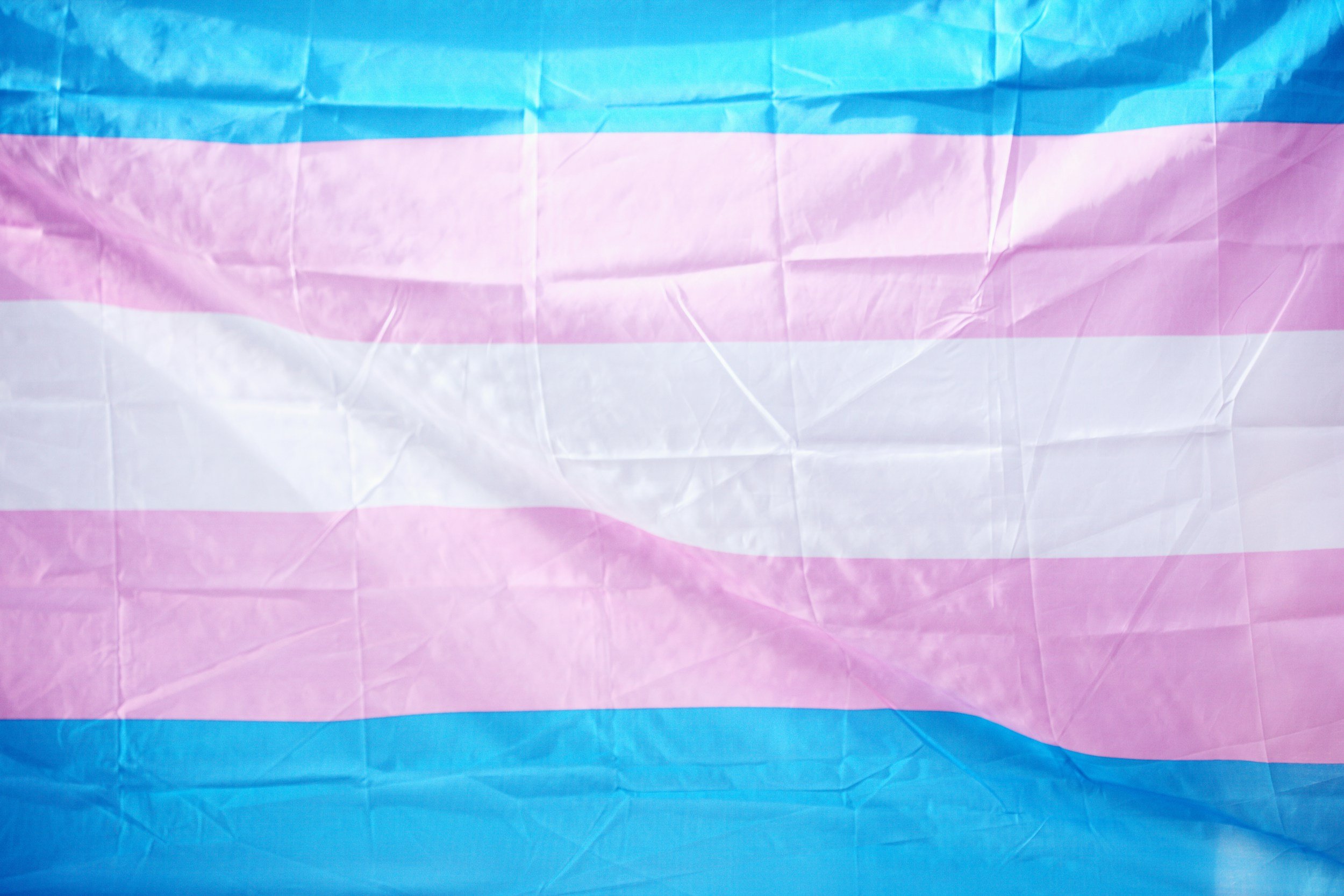
At Agnostic Scotland, we’re proudly and unwaveringly trans-inclusive.
If you’re a trans person planning a wedding or civil partnership in Scotland, you might be feeling anxious about how your name or gender will be recorded. One of the most common and painful concerns for trans couples is the fear of being deadnamed - especially in something as deeply personal, meaningful (and potentially public) as your wedding ceremony.
So here is some key information to put your mind at ease:
You do not need a Gender Recognition Certificate (GRC) to be married in the name and gender you live as.
Your deadname does not need to appear in your ceremony, on your marriage certificate, or in the official records.
We’ve had this confirmed directly with the appropriate authority body, and we’re sharing that information here to reassure and empower you.
Here’s What You Need to Know
If you’re a trans person who has not yet applied for or received a GRC, here’s what the process of registering for marriage or civil partnership using your chosen name looks like in Scotland:
You fill out your marriage notice using the name you are known by and use in daily life.
You may indicate the gender you identify with — or, if you're non-binary, the gender you most identify with, or the one assigned at birth (whatever feels safest and right for you). Unfortunately, non-binary genders are not legally recognised in the UK. (Our celebrants will always respect and use your chosen pronouns and language; this lack of nuance only applies to the documents).
You do not need to disclose your deadname publicly. You only need to let the registrar know privately that your current name differs from your birth entry because you're trans.
Crucially:
Providing the registrar is aware that the party is trans, the deadname will not be included in the marriage schedule. The marriage schedule and certificate will be issued in the name the party is known by and using, with no amplification of the deadname.
Unless you specifically request otherwise, your deadname will not appear in the legal documents or be spoken during the ceremony. This is your day - and your identity will be respected, protected, and celebrated.
What If My Registrar Asks for Guidance?
Some registrars may contact the relevant body of authority for advice on handling this correctly. If that happens, please don’t take it personally - it's not doubt or suspicion. It’s actually the registrar doing their due diligence to make sure they don’t out you or misstep in any way.
We’re here to advocate for you throughout that process, and we will work in partnership with your registrar to ensure everything is handled smoothly and respectfully.
At the Heart of It All: You
Getting married should be joyful, affirming, and safe. As your celebrants, we are 100% committed to making sure your ceremony is a reflection of you; your love, your life, and your truth.
You deserve to be seen and celebrated for who you are. We will never include language you haven’t agreed to, and we will never use your deadname (unless you ask for it).
You Have the Right to Be Fully You — on Paper and in Person
You don’t need a GRC. You don’t need to be outed or to be deadnamed.
You just need to be you.
With you in pride and celebration,
Linda (and co-author Han Deacon), on behalf of the Agnostic Scotland Team